Besplatna dostava iznad €30 za Hrvatsku | €60 za ostale EU zemlje


World of coffee and tea
Tea Basics: How Tea Is Made and Why Preparation Matters
Autor: Franck d.d.
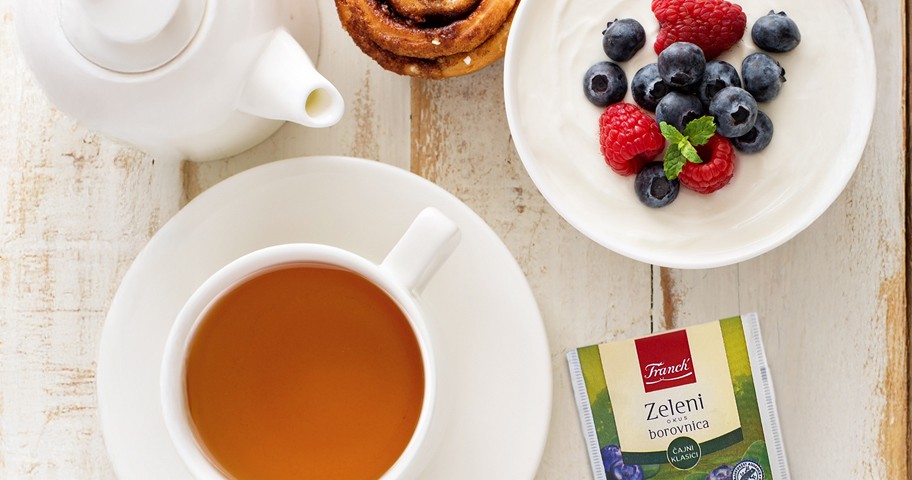
Tea is the second most consumed beverage in the world, right after water. Yet in everyday life we often prepare it on autopilot—without thinking about the leaves, the water, or the timing. And it’s precisely these details that make the difference between an average cup and a truly good one. Welcome to Tea Basics – content that explains what tea really is, the different types of tea and why proper preparation is key to the full experience of flavour and aroma.
What do we mean by “tea”?
Real tea comes exclusively from the Camellia sinensis plant. All other drinks made by steeping herbs, fruit, or flowers in hot water are correctly called infusions, although in everyday speech they’re often grouped under “tea.”
Interestingly, all six main types of tea—white, green, yellow, oolong, black, and fermented—come from the same plant. Differences in taste, colour, and aroma are solely the result of how the leaves are processed after harvest.
From leaf to cup: how different types of tea are made
After harvesting, tea leaves go through precisely controlled processes that determine their final character:
- White tea is made from young buds and leaves and undergoes minimal processing, preserving light, subtle aromas.
- Green tea is heated immediately after harvest to stop oxidation and retain the leaves’ freshness.
- Yellow tea is rare and delicate, similar to green tea but with an additional step of gentle oxidation, during which the leaves rest in a warm, humid environment—resulting in a softer, rounder taste without pronounced bitterness.
- Oolong tea is partially oxidised, with an aromatic profile that can range from floral and fruity to nutty and woody.
- Black tea undergoes full oxidation, giving it a rich flavour and a dark, warm infusion colour.
- Pu-erh and dark teas further mature through fermentation, developing increasingly complex character over time.
Each step in processing requires experience and precision—small differences in time, temperature, or humidity can significantly change the final result in the cup.
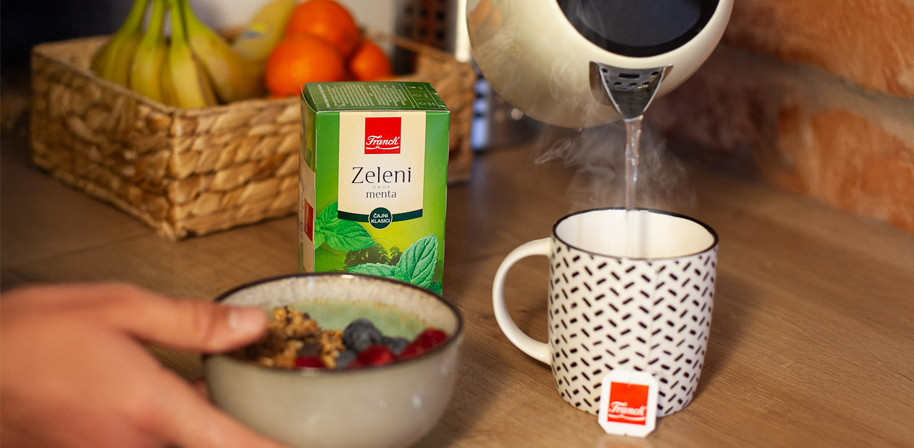
Water, temperature, and time – three key factors
Tea is made almost entirely of water, which is why water quality has a major impact on taste. Lightly mineral water with a neutral smell allows the tea’s aromas to come through.
Just as important are the water temperature and steeping time. Water that’s too hot or steeping for too long can draw out bitterness and disrupt balance, while properly adjusted conditions allow tea to show its full potential.
In general:
- more delicate teas require lower temperatures and shorter steeping times
- more robust teas develop best at higher temperatures and longer infusions
Tea as part of everyday life
In many cultures, tea is more than a drink—it’s a moment of pause, conversation, and mindful attention. And at home, a cup of tea can become a small ritual that slows the pace of the day and brings focus back to simple pleasures.
Tea School reminds us that tea is an experience that begins with the leaf, continues through proper preparation, and ends in the cup. Next time you make tea, pay attention to the details—the difference is bigger than it seems.
Možda će vas zanimati
_w_370.png)
The most expensive coffees in the world: A journey through luxury, rarity and extreme prices
For many coffee lovers, a morning cup is a daily ritual. But there is an entirely different world — the world of the most expensive coffees in the world, where the price per kilogram reaches thousands of dollars and the story behind each bean is almost unbelievable. Luxury coffee today is not just about taste. It is a combination of rarity, specific climatic and geographical growing conditions, limited production and often unusual processing methods. Below, we present some of the most expensive and rarest coffees in the world.
Napisao Franck d.d.
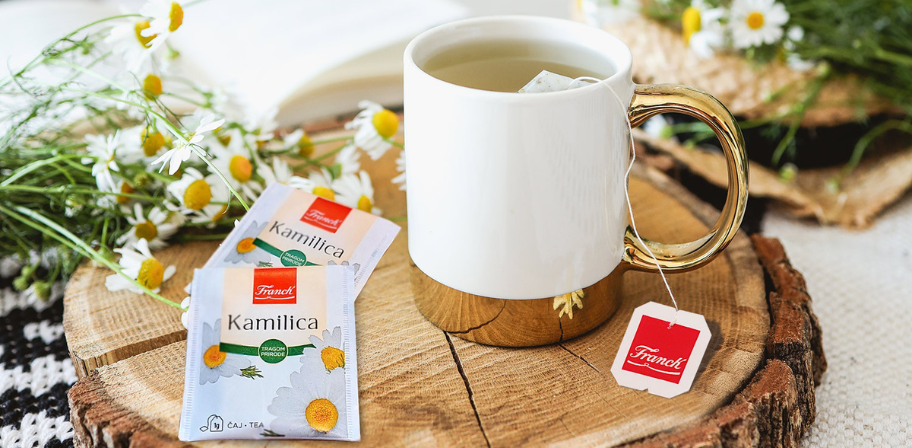
Tea without microplastics in 100% recyclable packaging - the Franck standard
Sustainable packaging is no longer an added value, but an expected standard. This is particularly important in the tea category, as it is a product consumed daily and globally in large quantities. Every individual tea bag, wrapper and box forms part of a broader picture – the way we manage resources and waste.
Napisao Franck d.d.
_w_370.png)
Products with capped prices
We inform you that selected products are available at capped prices on the Franck webshop and in the Franck store.
Napisao Franck d.d.
Proizvod je uspješno dodan u Favorite.
Proizvod je uspješno uklonjen iz Favorita.
Promo kod uspješno primjenjen.