Besplatna dostava iznad €30 za Hrvatsku | €60 za ostale EU zemlje


World of coffee and tea
Coffee Myths Every Coffee Lover Should Know
Autor: Franck d.d.

If you love the smell of freshly roasted coffee and want clear, fact-based answers, you’re in the right place. Below we debunk the most common coffee myths, share useful tips, and help you choose the coffee and brewing method that best suit your taste and daily rhythm.
Myth #1: Coffee dehydrates you
False. Coffee does have a mild diuretic effect, but it still contributes to your daily fluid intake. With regular consumption, the body adapts and the diuretic effect becomes even weaker.
Myth #2: Dark-roasted coffee contains more caffeine
False. Light roasts generally contain more caffeine because some caffeine breaks down during longer roasting. Choose roast level based on flavour:
- Light roast – fruity and floral notes
- Medium roast – balanced flavour
- Dark roast – caramel and chocolate notes with more pronounced bitterness
Myth #3: Coffee is bad for your stomach
Not for most people. While coffee can stimulate stomach acid production, it does not damage the stomach lining. If you have a sensitive stomach, opt for blends with lower acidity, filter coffee, cold brew, or drink your coffee after a meal.
Myth #4: You should bring coffee to a boil multiple times
False. Reboiling intensifies bitterness and creates a burnt taste. For the best Turkish coffee, remove the pot from heat as soon as the foam rises and use freshly ground coffee.
Ratio: 7–8 g of ground coffee per 100 ml of water.
Myth #5: Espresso has more caffeine than filter coffee
True — per milliliter, espresso is “stronger”, but a full cup of filter coffee contains more total caffeine.
- Espresso (25–30 ml): approx. 60–80 mg caffeine
- Filter coffee (250 ml): approx. 120–150 mg caffeine
Caffeine content varies by bean type, roast level, dose, and extraction time.
Myth #6: Coffee stunts growth
There is no scientific evidence that coffee affects the growth of children or adults. Moderate consumption (2–4 cups per day, up to 400 mg caffeine) is considered safe for most healthy people.
Myth #7: Instant coffee is the same as “real” coffee
Partly true. Instant coffee is made from real coffee beans, but it is industrially processed and often made from lower-grade robusta. It’s convenient, but in flavour and aroma it can’t match freshly ground coffee.
Myth #8: You shouldn’t drink coffee after 5 p.m.
Truth: it depends on the individual. Some people can drink an espresso at 10 p.m. with no impact on sleep, while for others even half a cup can keep them awake.
If coffee affects your sleep, avoid caffeine 6–8 hours before bedtime or switch to decaf in the afternoon.
Myth #9: Decaf coffee contains no caffeine
False. Decaf still contains a small amount of caffeine (2–12 mg per cup), but significantly less than regular coffee.
Myth #10: Coffee will make you grow a tail
The only thing that grows is enjoyment. Coffee lifts your mood with its aroma, flavour, and energy — but no tail comes with it.
How to Choose the Perfect Coffee for Your Taste
Your choice of bean and roast level directly shapes flavour:
- Arabica – mild, aromatic, lower in caffeine
- Robusta – stronger, more bitterness, higher caffeine
- Light roast – highlights fruity and floral notes
- Dark roast – emphasizes chocolate and caramel aromas
- Espresso – creamy and intense
- Filter – clean and light
- Turkish coffee – fuller body
How Much Caffeine Is in Your Cup?
- Espresso (30 ml): 60–80 mg
- Filter coffee (250 ml): 120–180 mg
- Turkish coffee (100 ml): 50–90 mg
- Decaf (250 ml): 2–12 mg
Možda će vas zanimati
_w_370.png)
The most expensive coffees in the world: A journey through luxury, rarity and extreme prices
For many coffee lovers, a morning cup is a daily ritual. But there is an entirely different world — the world of the most expensive coffees in the world, where the price per kilogram reaches thousands of dollars and the story behind each bean is almost unbelievable. Luxury coffee today is not just about taste. It is a combination of rarity, specific climatic and geographical growing conditions, limited production and often unusual processing methods. Below, we present some of the most expensive and rarest coffees in the world.
Napisao Franck d.d.
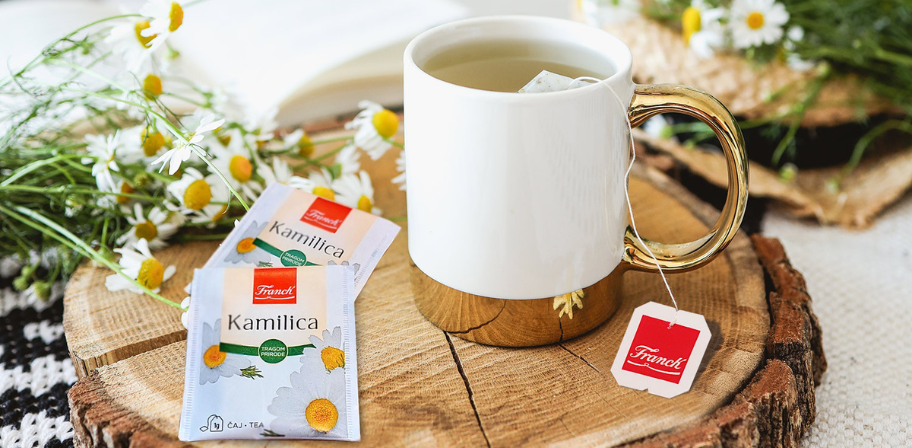
Tea without microplastics in 100% recyclable packaging - the Franck standard
Sustainable packaging is no longer an added value, but an expected standard. This is particularly important in the tea category, as it is a product consumed daily and globally in large quantities. Every individual tea bag, wrapper and box forms part of a broader picture – the way we manage resources and waste.
Napisao Franck d.d.
_w_370.png)
Products with capped prices
We inform you that selected products are available at capped prices on the Franck webshop and in the Franck store.
Napisao Franck d.d.
Proizvod je uspješno dodan u Favorite.
Proizvod je uspješno uklonjen iz Favorita.
Promo kod uspješno primjenjen.